Founder Spotlight: Maria Jerez – Accessilife
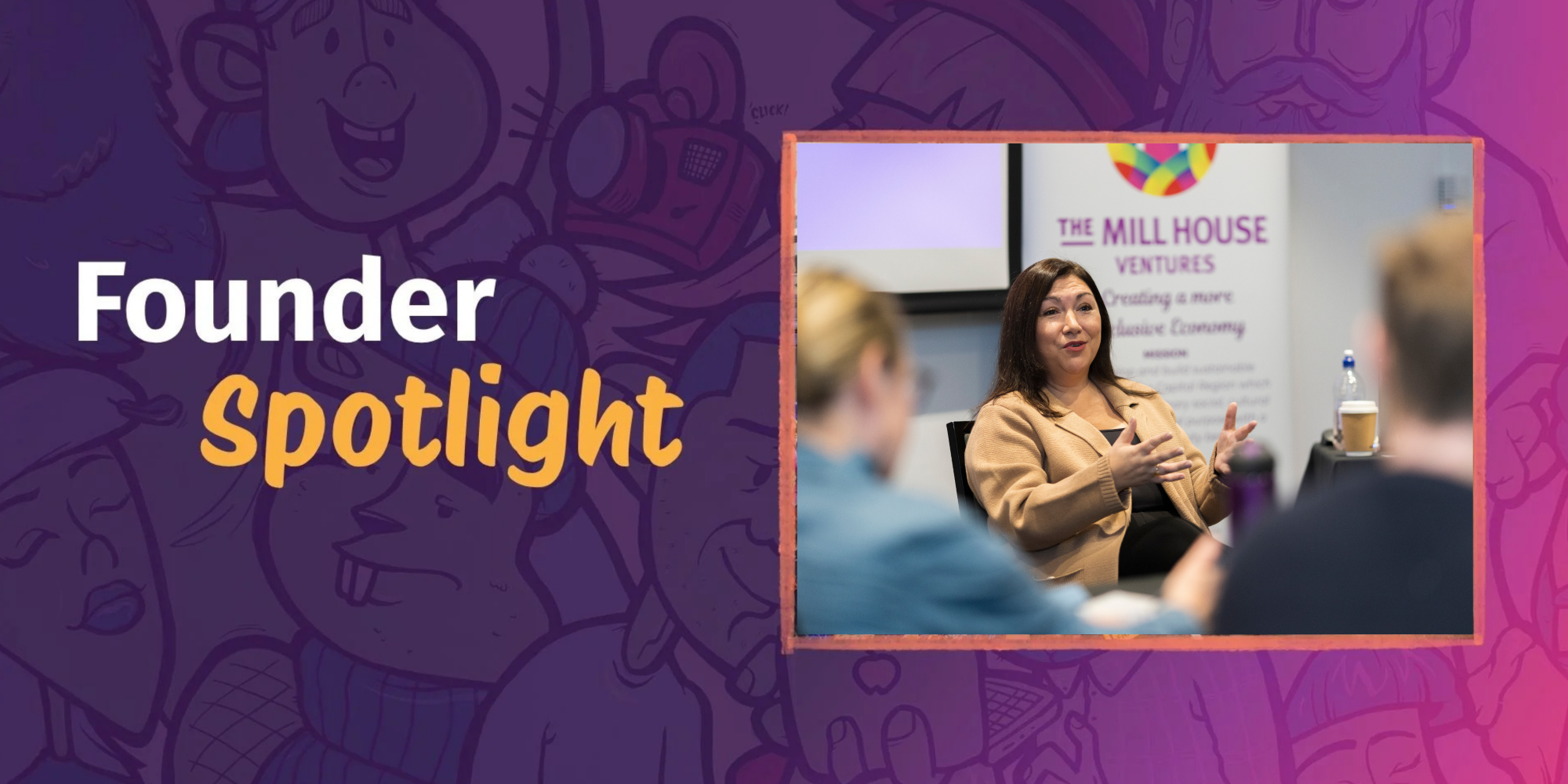
When Maria Jerez introduces Accessilife, she begins with her son.
Mateo is 14, loving and cheeky. He lives with a disability and needs assistance with every aspect of his daily life. For his family, that means finding products and services to support everything from mobility and nutrition to personal care.
Maria discovered early that finding those things could become a substantial task in itself. Information was scattered. There was no central place she could turn to for everything her family needed. Searching took time and energy was already stretched by caring responsibilities.
It also left her feeling alone. When something was so difficult to find, she wondered whether she was somehow the only person looking for it. Over the years, the need for an easier way remained.
That experience became the starting point for Accessilife, an online platform bringing disability providers, products and events together in one place. Maria set out to build something she wished had been available to her own family, with the aim of making life less overwhelming for others navigating the same system.
Speaking at The Mill House Ventures’ monthly Impact After Hours, Maria described the enterprise as a labour of love. She already had a successful career. Building a business brought another commitment into an already full life, but she could see a need that mattered deeply to her.
Developing the platform took time. Maria organised it around three practical functions: a directory of disability providers, a marketplace for new and preloved products, and a community board for events and programs. Bringing them together gives people a shared starting point for searches that might otherwise send them in several directions.
The design reflects the circumstances of the people Maria hopes to reach. Families and carers can be short on time, while the support they need spans many different areas of life. Making information easier to find is central to the value she wants Accessilife to offer.
One of Maria’s early lessons was recognising the expertise she brought to that task. At first, she was uncertain about sharing the personal experience behind the business.
Would people care that she lived this reality herself?
Would it help them understand the platform, or count against her?
Work with The Mill House Ventures and the AMP Foundation helped her see how much that experience contributed. It had shaped what she chose to build, the problems she paid attention to and her understanding of families’ everyday needs. Explaining that connection helped people understand what made her approach distinctive.
For founders drawing on their own lives, her experience offers a useful question: what have you learnt through living with this problem that informs the decisions you make? Being able to name that knowledge can help you explain the value of your work.
Maria also had to learn the language of running a social enterprise. When she began, she was focused on a problem and how to make things easier for families. Terms such as customers, beneficiaries and unique selling propositions were concepts she encountered along the way.
Understanding those distinctions helped her recognise the different conversations Accessilife needed to have. People with disability, families and carers are looking for support. Providers and community organisations need to understand how the platform can help people discover what they offer. Each audience has a different reason to pay attention.
That learning changed her pitch. Early explanations could become a list of everything the website did. Through practice and support, Maria became better at describing its purpose clearly and choosing details that mattered to the person listening.
She found that her motivation mattered even in conversations where she expected the focus to be on facts and figures. People wanted to understand why she was doing the work. Learning to communicate that purpose became part of developing the business itself.
The question for another founder is practical: could a person unfamiliar with your work explain its value after speaking with you? Their answer can show where your message needs further attention.
There was an emotional challenge alongside the practical one. When someone did not understand Accessilife, it could feel particularly difficult because the problem was so closely connected to Maria’s family. She knew the need was real, but initially struggled to convey its significance to someone who had not experienced it.
Greater clarity helped. As she became more confident explaining the platform, she found those conversations easier to navigate. Her experience is a reminder to allow time for that development. A founder can understand a problem deeply and still need practice making it clear to someone encountering it for the first time.
One encouraging moment came at Maria’s first Canberra Disability Expo. She arrived feeling nervous about how the stall would be received. Then families began stopping to talk, and she saw how quickly they recognised the problem she was describing.
Maria reported that almost everyone she spoke with registered on the spot, apart from one or two people who did not have a phone with them. The response gave her valuable encouragement. After the long work of developing the platform, she could see people understanding its relevance to their own lives.
It also reinforced the importance of getting out into the community. A finished website still needs people to know it exists. Conversations gave Maria a way to introduce Accessilife and hear directly from the people she wanted it to serve.
That personal contact is something she enjoys. Social media remains more challenging. Maria spoke openly about feeling comfortable telling her story to someone in front of her, then becoming awkward when a camera appeared. Building confidence in one setting had not automatically made every other format easy.
She is also continuing to learn from organisations. At the October conversation, Maria described work to map Canberra’s disability ecosystem by meeting community organisations and understanding their services. Those discussions were helping her see the challenges providers face in reaching families, alongside the difficulties families face in finding support.
Through Accessilife’s community board, she wants organisations to have a place to share available activities and programs. Listening to both sides is helping her understand the connections the platform needs to make. Her experience of the problem remains a starting point for further conversations and learning.
For Maria, building Accessilife has also brought a deeply personal sense of purpose. She spoke about the questions her family faced after Mateo’s birth and the meaning she has found in creating something that could help others. That motivation continues to inform the work as she develops her skills as a founder.
Her journey offers practical encouragement to anyone with an idea rooted in lived experience: recognise what you know, seek support for what you are learning, and make time to talk with the people your business hopes to serve. Each conversation can help you understand the problem better and explain your response more clearly.
Explore Accessilife to find disability providers, products, events and programs, or learn how your organisation can share what it offers.
Did you miss this great event? Impact After Hours is held every 3rd Thursday of the month.